
info@ucallmlabs.com
1. Colorectal Cancer
Colorectal cancer (CRC) represents a major global health burden and remains one of the leading causes of cancer-related mortality in developed countries. Despite advances in screening and treatment, the prognosis of patients with metastatic CRC remains poor, with a 5-year survival rate of less than 15%. CRC is a multistep and long-term process characterized by the progressive transformation of normal colonic epithelium into adenoma, carcinoma, and ultimately metastatic disease. This stepwise evolution is driven not only by the accumulation of genetic and epigenetic alterations but also by extensive remodeling of protein activity, stability, localization, and molecular interactions.
Moreover, PTMs are key regulators of protein function and contribute to multiple process underlying CRC development and progression. Deciphering PTM-mediated regulatory mechanisms may provide new insights into CRC pathogenesis and uncover potential biomarkers and therapeutic targets.
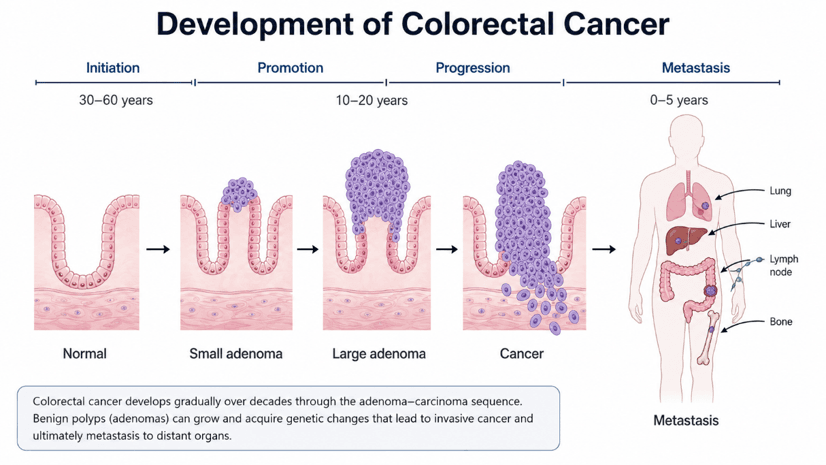
Figure 1: Initiation and development of CRC.
2. PTM Research Landscape in CRC
Emerging evidence has established dysregulated PTMs as important molecular events in CRC. Aberrant phosphorylation, glycosylation, acetylation, ubiquitination, methylation, and citrullination have been implicated in multiple stages of CRC development, from tumor initiation and progression to invasion and metastasis.
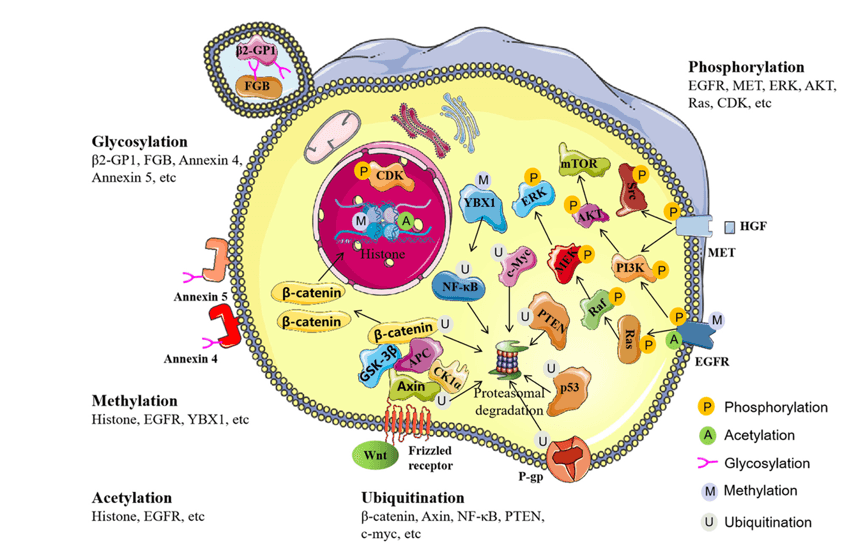
Figure 2: Summary of PTM events involved in CRC (PMID: 35577141).
3. Major PTMs and Functional Roles in CRC
Building on this regulatory landscape, individual PTMs exert distinct effects on CRC by modulating specific protein targets and biological processes. Representative molecular events associated with major PTM types are summarized below.
PTM Type | Representative Target Proteins | Biological Processes | Journal Article |
Phosphorylation | ERK1/2, AKT/mTOR, CDKs, Rb | Cell-cycle regulation; Cell proliferation; Metastasis | PMID: 35577141 PMID: 31031003 |
Ubiquitination | PTEN, c-Myc, p53, P-gp, NF-κB, MAGI3, EIF5A2, ABLIM1 | Protein stability and degradation; Cell proliferation; EMT; NF-ΚB signaling; Chemotherapy response | PMID: 35577141 PMID: 35864508 PMID: 35064108 PMID: 38228802 |
Methylation | EGFR, NONO, PRMT5, SMAD4, PGK1, c-Myc, HIF-1α | Metastasis/EMT; Metabolic reprogramming; Angiogenesis | PMID: 26571401 PMID: 38402202 PMID: 42436163 |
Acetylation | SHMT2, KAT8, TPM2, ADH1B | Metabolic reprogramming; Cell proliferation; Migration and invasion; Liver metastasis | PMID: 30367038 PMID: 36849520 |
Glycosylation | CTSD N263, β2-GP1/APOH, COL1A1, LAMP1 | ECM remodeling; Liver metastasis; PI3K/AKT signaling | PMID: 35577141 PMID: 39716927 PMID: 34737948 PMID: 41032136 |
Lactylation | eEF1A2, Histone | Tumor immune suppression; Tumor microenvironment remodeling; Ferroptosis | PMID: 38359291 PMID: 38245869 PMID: 40113760 |
Crotonylation | ENO1, Histone | Glycolytic regulation; Transcriptional regulation | PMID: 37789393 PMID: 41309931 |
β-Hydroxybutyrylation | ARG1, KCTD9, RagC | Arginine metabolic reprogramming; Protein stability; mTORC1 signaling | PMID: 41309931 PMID: 41849426 |
4. Biospecimens and Experimental Models for PTM Research in CRC
PTMs in CRC can be studied across a range of biospecimens and experimental models. Each sample type offers distinct research advantages and requires specific processing and preparation procedures to ensure reliable PTM detection and analysis.
Sample | Representative PTMs | Sample Preparation Considerations | Journal Article |
Tissue | Phosphorylation; Ubiquitination; Methylation; Acetylation; Glycosylation; Lactylation; Crotonylation; β-Hydroxybutyrylation | l Rapid collection and snap-freezing; l Maintain consistent tumor/adjacent-normal sampling; l Wash tissue to remove blood residues using cooled PBS. l Preserve PTMs using appropriate protease inhibitors; | PMID: 31031003 PMID:36184622 PMID: 40641413 |
Cell Models | Phosphorylation; Ubiquitination; Acetylation, Lactylation | l Standardize cell line, passage, confluence and culture conditions; l Precisely control stimulation/drug treatment; l Use appropriate PTM-preserving inhibitors | PMID: 29460479 PMID: 27472459 PMID: 38155775 PMID: 27874079 |
Biofluids | Glycosylation | l Standardized collection and processing; l Avoid hemolysis and repeated freeze-thaw cycles; l Reduce interference from highly abundant plasma/serum proteins; | PMID: 36845686 |
Patient-Derived Organoids | Phosphorylation; | l Carefully remove Matrigel while minimizing signaling perturbation; l Standardize culture medium and passage | PMID: 30061712 |
5. Representative PTM Research Cases in CRC
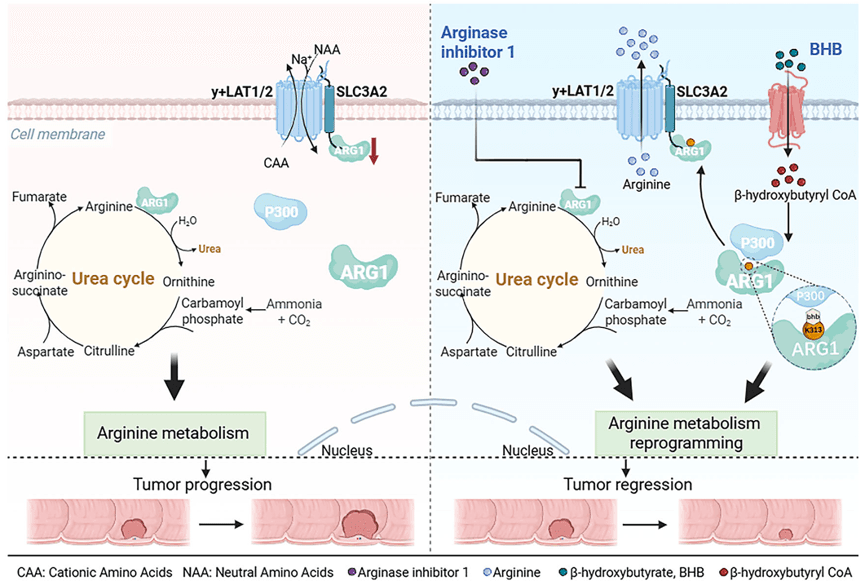
Figure 3: Schematic summarization of key findings in this study (PMID: 40641413).
Title: Abnormal β-Hydroxybutyrylation Modification of ARG1 Drives Reprogramming of Arginine Metabolism to Promote the Progression of Colorectal Cancer.
Introduction: CRC is characterized by profound metabolic reprogramming that supports tumor growth and progression. Arginine metabolism is increasingly recognized as an important metabolic vulnerability in CRC, yet the mechanisms regulating arginine homeostasis remain incompletely understood. Emerging evidence suggests that β-Hydroxybutyrylation (Kbhb), a metabolite-sensitive PTM, may link cellular metabolic states to protein function and tumor progression.
Biological Questions:
1) Why does ARG1 promote colorectal cancer progression beyond its enzymatic activity?
2) Does PTMs regulate the non-enzymatic function of ARG1 in CRC?
3) How does β-hydroxybutyrylated ARG1 regulate CRC metabolic reprogramming?
Key Findings:
1) CRC displays aberrant arginine metabolic reprogramming, marked by elevated intracellular arginine levels and increased ARG1;
2) Kbhb modification of ARG1 mediated by BHB remodels arginine metabolism by enhancing the interaction of ARG1 with SLC3A2 in CRC cells, thereby promoting arginine efflux and suppressing intracellular arginine accumulation in CRC cells;
3) Therapeutic co-targeting of ARG1 enzymatic activity and ARG1-Kbhb-mediated metabolic regulation through BHB supplementation and ARG1 inhibition synergistically suppressed CRC tumor growth;
Research Strategy:
To elucidate the non-enzymatic mechanism underlying ARG1-mediated CRC progression, this study followed a stepwise research strategy. Starting from the clinical observation of elevated arginine metabolism and ARG1 expression in CRC, the authors investigated whether PTM-mediated regulation contributes to ARG1 function, further dissected the molecular mechanism of ARG1 Kbhb, and evaluated its therapeutic potential through in vitro and in vivo validation.
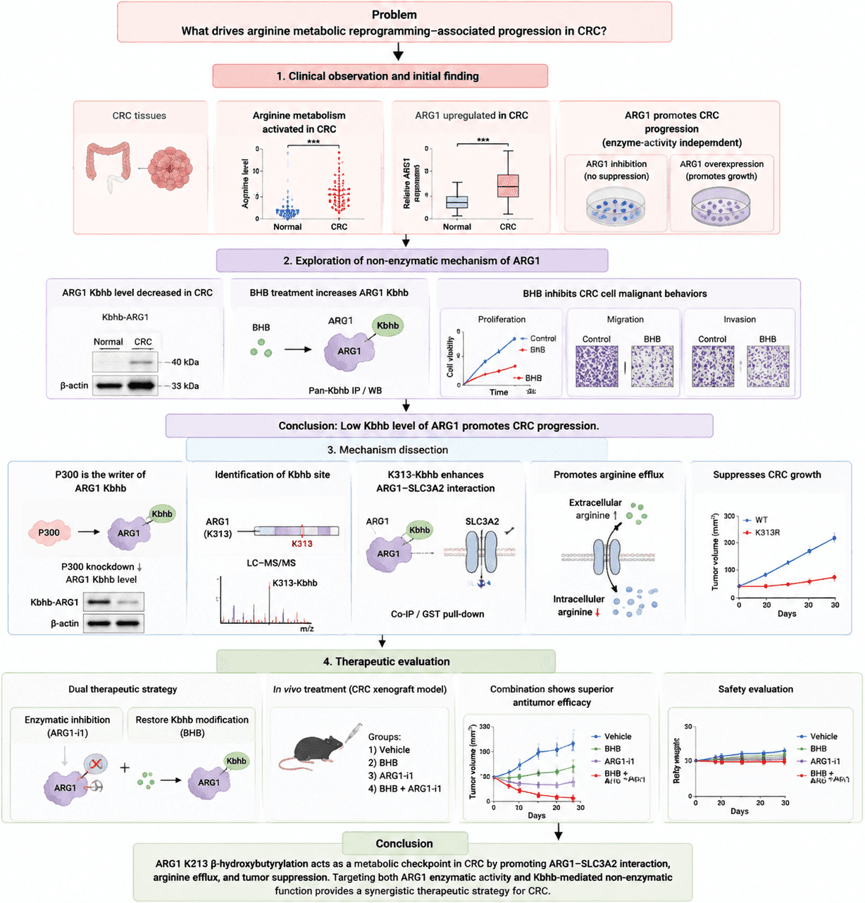
Figure 4. Research Strategy for Investigating the Mechanism of CRC Progression.
Summary:
This study uncovers a novel PTM-mediated mechanism in CRC, demonstrating that ARG1 Kbhb regulates arginine metabolic reprogramming and providing potential therapeutic opportunities for CRC.
6. PTM Research Solutions for CRC
PTM Type | Research Applications | Recommended Research Solutions |
Phosphorylation | Analyze phosphorylation signaling and pathway activation | l Phospho-specific antibodies l Total target protein antibodies (ERK, AKT, mTOR, CDKs) l Pan-phosphorylation antibodies l Phosphorylation enrichment reagents l Signaling pathway analysis tools |
Ubiquitination | Study protein stability and ubiquitination-dependent regulation | l Pan-Ubiquitin antibodies l K-ε-GG enrichment reagents l Target protein antibodies (PTEN, p53, NF-κB) |
Methylation | Investigation of epigenetic regulation | l Pan-methyllysine antibodies l Site-specific methylation antibodies l Target protein antibodies (EGFR, NONO, PRMT5, PGK1) |
Acetylation | Investigate acetylation-mediated metabolic and transcriptional regulation | l Pan-Acetyllysine antibodies l Acetylation enrichment reagents l Histone modification antibodies l Target protein antibodies (KAT8, TPM2, ADH1B, SMHT2) |
Glycosylation | Characterize glycosylation alterations and glycoprotein function | l Glycosylation antibodies l Target protein antibodies (CTSD, COL1A1, LAMP1) |
Lactylation | Study lactate-driven PTM regulation and tumor adaptation | l Pan-Lactylation antibodies l Lactylation enrichment products l Histone modification antibodies |
Crotonylation | Explore crotonylation-mediated transcriptional and metabolic regulation | l Pan-Crotonylation antibodies l Crotonylation enrichment tools l Histone antibodies l ENO1-related validation antibodies |
β-Hydroxybutyrylation | Investigate metabolite-responsive PTM regulation | l Pan-β-Hydroxybutyrylation antibodies l β-Hydroxybutyrylation enrichment reagents l Target protein antibodies (ARG1, KCTD9) |
7. Key References
1) Eng C, Yoshino T, Ruíz-García E, et al. Colorectal cancer. Lancet. 2024;404(10449):294-310.
2) Zhu G, Jin L, Sun W, Wang S, Liu N. Proteomics of post-translational modifications in colorectal cancer: Discovery of new biomarkers. Biochim Biophys Acta Rev Cancer. 2022;1877(4):188735.
3) Lin C, Li Z, Zhu X, et al. Abnormal β-Hydroxybutyrylation Modification of ARG1 Drives Reprogramming of Arginine Metabolism to Promote the Progression of Colorectal Cancer. Adv Sci (Weinh). 2025;12(38):e02402.