
Available Topics
Explore curated workflow pages with resources, guidance, and related reagent products.
 Application Solutions
Severe acute Respiratory Syndrome Coronavirus (SARS-CoV) Research
The full name of the severe acute respiratory syndrome coronavirus is Severe Acute Respiratory Syndrome Coronavirus (SARS-CoV).
 Application Solutions
Severe Acute Respiratory Syndrome Coronavirus 2 (SARS-CoV-2) Research
SARS-CoV-2 (Severe Acute Respiratory Syndrome Coronavirus 2) is an enveloped, positive-sense, single-stranded RNA virus belonging to the family Coronaviridae, subfamily Orthocoronavirinae, genus Betacoronavirus, and subgenus Sarbecovirus.
 Application Solutions
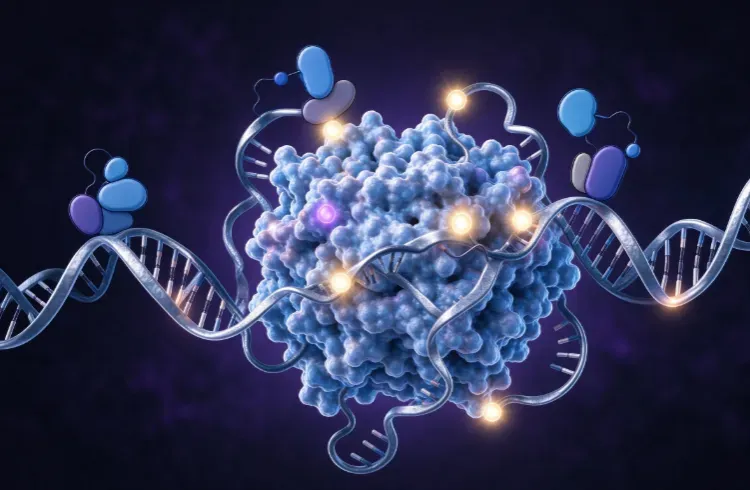
Phosphorylation
Protein phosphorylation is one of the most abundant and extensively studied post-translational modifications (PTMs).
 Application Solutions
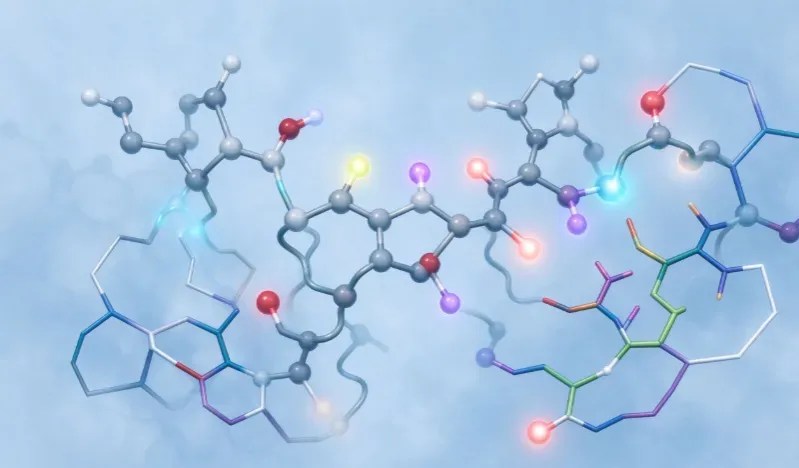
Acetylation
Protein acetylation is a common post-translational modification (PTM) characterized by the addition of acetyl groups to lysine residues or protein N-termini.
 Application Solutions
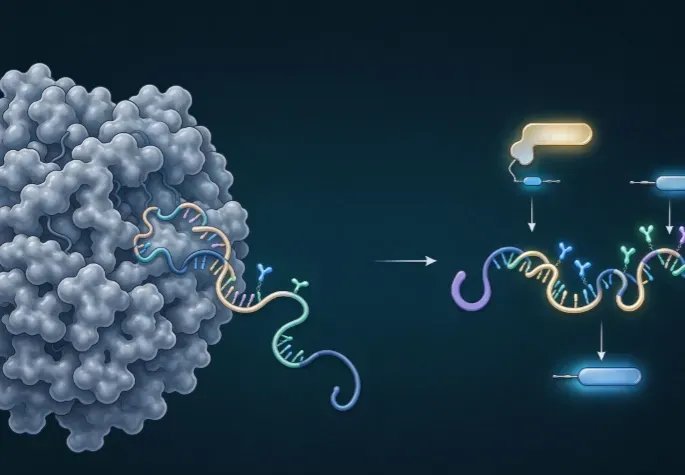
Methylation
Our methylation products support the investigation of methylation patterns and epigenetic regulation, providing reliable tools for methylation detection, enrichment, and analysis.
 Application Solutions
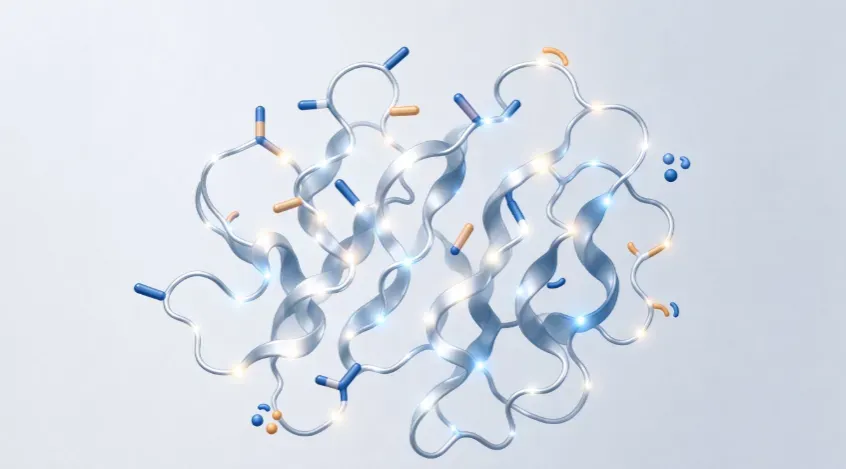
Ubiquitination
Ubiquitination is a dynamic protein modification that determines the fate and function of target proteins through the covalent attachment of ubiquitin molecules.
 Application Solutions
SUMOylation
SUMOylation is a reversible post-translational modification that regulates protein function through the covalent attachment of small ubiquitin-like modifier (SUMO) proteins to specific lysine residues in proteins.
 Application Solutions
Endoplasmic Reticulum
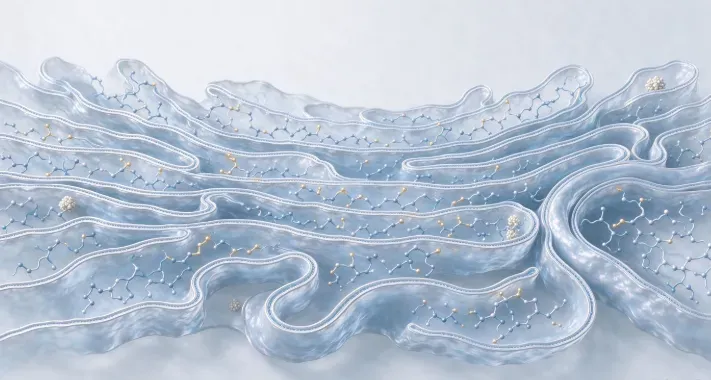
The endoplasmic reticulum (ER) is an essential membranous organelle in eukaryotic cells. It is composed of interconnected membranous tubules, flattened cisternae, and luminal compartments, forming a dynamic membrane network widely distributed throughout the cytoplasm.
 Application Solutions
Glycosylation
Major forms of protein glycosylation include N-linked glycosylation and O-linked glycosylation, which differ in their attachment sites and biological functions.
 Online Message