
info@ucallmlabs.com
1. Alzheimer’s Disease
Alzheimer’s disease (AD) is the most common neurodegenerative disorder and the leading cause of dementia, predominantly affecting older adults. It is characterized clinically by progressive cognitive decline and pathologically by the accumulation of amyloid-β (Aβ) plaques and neurofibrillary tangles composed of hyperphosphorylated tau. These hallmark lesions are accompanied by synaptic dysfunction, neuroinflammation, and progressive neuronal loss.
AD is a complex and multifactorial disease involving dysregulated protein homeostasis, mitochondrial and metabolic dysfunction, oxidative stress, vascular impairment, and altered immune response. Although recent anti-Aβ therapies have shown disease-modifying potential, their clinical benefits remain limited. This underscores the need to further elucidate the molecular mechanisms underlying AD initiation and progression and to identify new biomarkers and therapeutic targets.
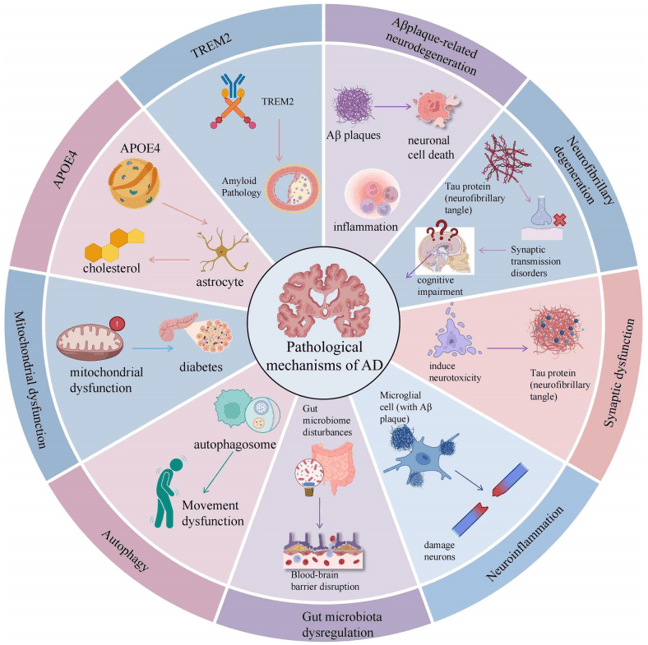
Figure 1. Pathogenic mechanisms in AD progression (PMID: 40660381).
2. The Emerging Roles of PTMs in AD Pathogenesis and Biomarker Discovery
PTMs are increasingly recognized as important regulators of AD pathogenesis. By modulating protein activity, stability, localization, and degradation, PTMS influence multiple processes central to AD, including APP processing and Aβ accumulation, tau aggregation, proteostasis, neuroinflammation, and mitochondrial dysfunction. Aberrant PTM patterns may therefore provide valuable molecular insights into disease progression and offer potential biomarkers and therapeutic targets.
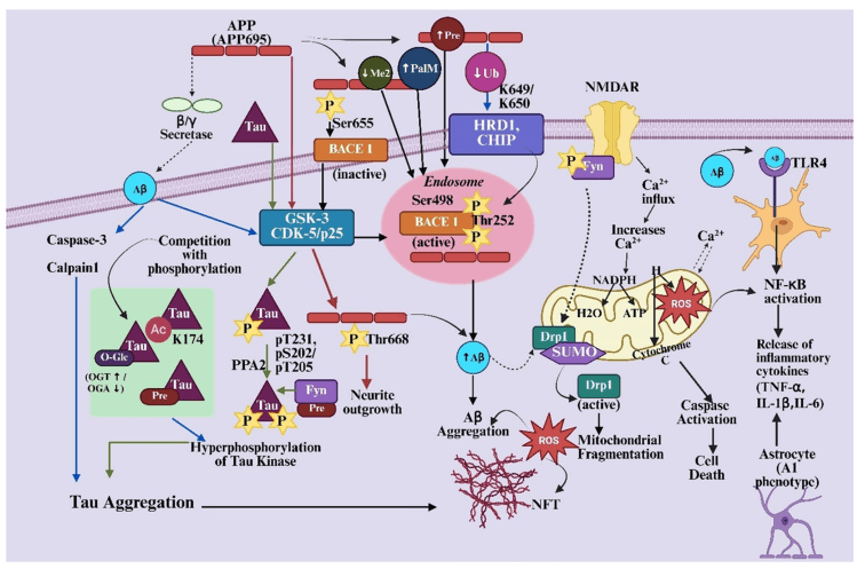
Figure 2. PTMs landscape of AD (PMID: 41770452).
Together, these observations highlight the diverse and interconnected roles of PTMs in AD pathology. The major PTM types implicated in AD, together with their representative target proteins, associated biological processes, and supporting studies, are summarized below.
Representative Target Proteins | Biological Processes | Journal Article | |
Phosphorylation | Tau, APP, BACE1, eIF2α | Tau hyperphosphorylation and aggregation; Microtubule destabilization; Amyloidogenic APP processing and Aβ production; Synaptic dysfunction | PMID: 33188775 PMID: 30021167 PMID: 19109907 PMID: 40469052
|
Ubiquitination | Tau, APP, BACE1 | UPS-mediated protein turnover; Clearance of pathological Tau and BACE1; Proteostasis maintenance; Regulation of Aβ and Tau accumulation | PMID: 42161904 PMID: 41311387 PMID: 40109019 |
Acetylation | Tau, histones, COX2 | Tau stability, degradation, aggregation and propagation; Transcriptional regulation; Neuronal homeostasis and neuroinflammatory responses | PMID: 38915105 PMID: 39396065 PMID: 39014245 PMID: 33139698 PMID: 31763743 |
SUMOylation | Tau, APP, BACE1, p53 | APP processing and Aβ generation; BACE1 stability; Tau phosphorylation and aggregation; PTM crosstalk; Neuronal senescence | PMID: 41023583 PMID: 39870805 PMID: 29581300 |
Methylation | Tau, Histone | Tau localization and solubility; PTM crosstalk; Chromatin remodeling and transcriptional dysregulation | PMID: 34215303 PMID: 35203383 PMID: 33188775 PMID: 39656495 |
Glycosylation | Tau, APP, BACE1, Neuronal glycoproteins | Tau phosphorylation and aggregation; APP/BACE1 trafficking and processing; Aβ production; Synaptic and lysosomal dysfunction; AD-associated glycoproteome remodeling | PMID: 39807036 PMID: 36309312 PMID: 33008897 |
S-Palmitoylation | APP, BACE1, GluA2 and synaptic proteins | Membrane/lipid-raft localization; Amyloidogenic APP processing; Aβ production; AMPAR trafficking; Synaptic plasticity | PMID: 40848510 PMID: 39589870 PMID: 39127627
|
3. PTM-Based Biomarkers in AD
Among the diverse PTMs implicated in AD pathogenesis, phosphorylated tau (p-tau) currently represents the most clinically validated class of PTM-based biomarkers. Plasma and CSF p-tau217, p-tau181, and p-tau231 have been extensively evaluated for detecting AD pathology and disease progression.
Biomarker | Sample Type | Clinical/Research Relevance | Journal Article |
p-tau217 | Plasma, CSF | Highly specific and sensitive biomarker of AD pathology; strongly associated with Aβ and tau pathology; enables detection of biological AD, including preclinical disease | PMID: 40729527 PMID: 40205199 PMID: 40952756 |
p-tau181 | Plasma, CSF | Robust biomarker of AD-associated tau pathology; supports detection and differential diagnosis of AD and shows strong associated with disease progression | PMID: 40729527 PMID: 39447157 |
p-tau231 | Plasma, CSF | Senaitive to early AD-related amyloid pathology and increases during early stages of the AD continuum; potential value for early disease detection | PMID: 40729527 PMID: 38339929 |
4. Pharmacological Targeting of PTM Pathways in AD
The dysregulated of PTM pathways provides potential therapeutic targets for AD. Pharmacological strategies have therefore been developed to modulate PTM-regulating enzymes and restore pathological protein homeostasis. However, the translational maturity varies substantially among PTM pathways, ranging from preclinical studies to clinial development.
PTM Pathway | Target | Representative Agents | Development Stage | Journal Article |
Phosphorylation | GSK-3β, CDK5, DYRK1A, MAPKS | Lithium; SM07883 | Preclinical | PMID: 40770094 PMID: 31267651
|
O-GlcNAcylation | OGA | MK-8719; ASN90; LY3372689; BIIB113 | Phase II (unsuccessful) | PMID: 39748851 PMID: 32493725 |
Acetylation | HDAC6, HDAC11, HDAC3 | Vorinostat (SAHA); RGFP966; | PMID: 40598871 PMID: 40109001 | |
Ubiquitination | E3 ubiquitin ligases | E3 ligase agonist; Tau-targeted PROTACs; DUBs inhibitors | Preclinical | PMID: 40133753 |
S-Palmitoylation | ZDHHC6, ZDHHC7, ZDHHC21 | ZDHHC selective inhibitors | Preclinical | PMID: 41364313 |
Beyond individual drug-target relationships, PTM pathways converge on key pathological processes that drive AD progression, providing an integrated framwork for therapeutic intervention.
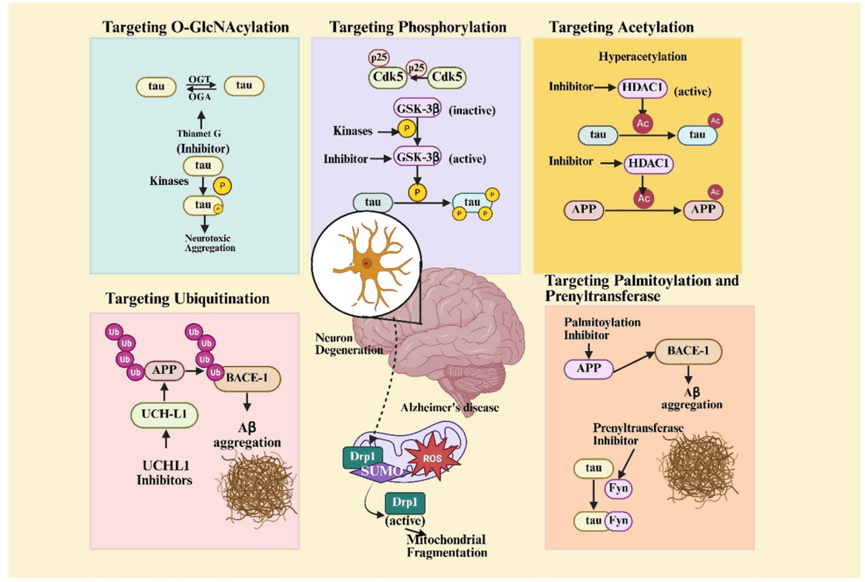
Figure 3. Pharmacological targeting of PTM pathways in AD. (PMID: 41770452).
5. Representative PTM Research Cases in AD
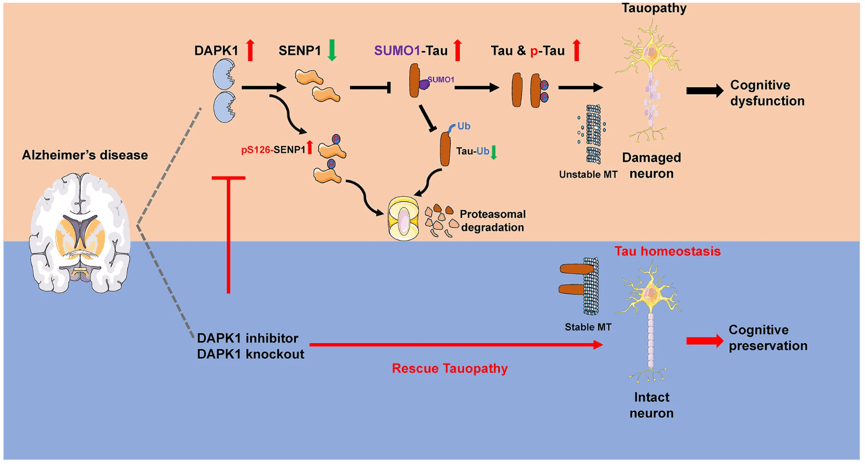
Figure 4: Schematic summarization of key findings in this study. (PMID: 41272902).
Title: Death-associated protein kinase 1-dependent SENP1 degradation increases tau SUMOylation and leads to cognitive dysfunction in a mouse model for tauopathy.
Introduction: Tau hyperphosphorylation and accumulation are key pathological features of AD. Although tau phosphorylation has been extensively studied, accumulating evidence indicates that other PTMs, including SUMOylation and ubiquitination, also contribute to tau proteostasis and pathological accumulation.
SENP1 is a SUMO-specific protease that removes SUMO modifications from target proteins and therefore acts as an important regulator of cellular SUMOylation. However, the upstream mechanisms controlling SENP1 abundance and the mechanisms driving abnormal tau SUMOylation in AD remain incompletely understood.
Death-associated protein kinase 1 (DAPK1) is a serine/threonine kinase implicated in tau phosphorylation and AD-associated neuronal dysfunction. This study investigated whether DAPK1 regulates tau SUMOylation through SENP1 and whether this pathway represents a pharmacologically actionable target in tauopathy.
Biological Questions:
1) What drives the aberrant SUMOylation of tau in AD, and how does this PTM contribute to tau accumulation and cognitive dysfunction?
2) What therapeutic strategies could be used to target this dysregulated PTM pathway?
Key Findings:
1) DAPK1 interacts with SENP1 and directly phosphorylates SENP1 at Ser126, promoting its ubiquitin-proteasome-dependent degradation;
2) SENP1 degradation increases tau SUMOylation, thereby promoting pathological tau hyperphosphorylation and aggregation;
3) Genetic ablation or pharmacological inhibition of DAPK1 restores SENP1 levels, attenuates tau-associated neuropathology, and improves cognitive deficits.
Research Strategy:
To elucidate the upstream regulation of tau SUMOylation and its therapeutic implications, the authors investigated the DAPK1-SENP1 regulatory axis and identified a phosphorylation-dependent mechanism controlling SENP1 stability. They then examined how this regulatory relationship affects tau SUMOylation and other tau PTMs in cellular models, followed by genetic and pharmacological validation in tauopathy mice. Finally, analyses of human AD brain tissues were performed to assess the clinical relevance of the identified pathway.
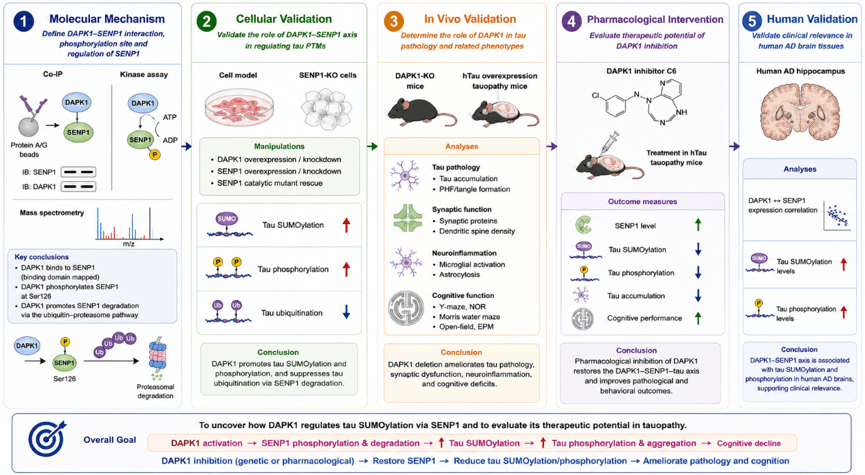
Figure 5. Research Strategy for Elucidating the Role of SUMOylation in AD.
These findings establish DAPK1-SENP1 dysregulation as a key driver of neuronal tau pathology and highlight this pathway as a potential therapeutic target for AD.
6. PTM Research Solutions for AD
Research Applications | Recommended Research Solutions | |
Phosphorylation | Tau pathology & neuronal signaling | l Phospho-specific antibodies l Total target protein antibodies (tau) l Pan-phosphorylation antibodies l Phosphorylation enrichment reagents l Signaling pathway analysis tools |
O-GlcNAcylation | Tau regulation & proteostasis | l Glycosylation antibodies l Target protein antibodies (OGA, OGT) |
Acetylation | Tau pathology & proteostasis | l Pan-Acetyllysine antibodies l Acetylation enrichment reagents l Histone modification antibodies l Target protein antibodies (HDAC3, HDAC6, HDAC11) |
Ubiquitination | Protein degradation, tau turnover and aggregate clearance | l Pan-Ubiquitin antibodies l K-ε-GG enrichment reagents l Target protein antibodies (E3 ubiquitin ligases, DUBs) |
S-Palmitoylation | Synaptic signaling & neuronal function | l Target protein antibodies (ZDHHCs) |
7. Key References
1) Zhang J, Kong G, Yang J, Pang L, Li X. Pathological mechanisms and treatment progression of Alzheimer's disease. Eur J Med Res. 2025;30(1):625.
2) Singh S, Kaur A, Banerjee S, Sharma T, Singh TG. Post-translational modifications in alzheimer's disease: proteome dynamics and emerging therapeutic strategies. Metab Brain Dis. 2026;41(1):44.
3) Shui X, Zheng X, Wu J, et al. Death-associated protein kinase 1-dependent SENP1 degradation increases tau SUMOylation and leads to cognitive dysfunction in a mouse model for tauopathy. Mol Neurodegener. 2025;20(1):121.