
Sku: E1013-12


Specification: 12T
Stock: In stock
Product details, specifications, documents, and related products are available from the catalog record. Learn more
N4-acetylcytidine (ac4C) is an evolutionarily-conserved RNA chemical modification, originally identified in tRNA and 18S rRNA; recent studies reveal abundant ac4C also exists in mRNA, where it regulates translation efficiency, RNA stability and alternative splicing. UcallM® ac4C Immunoprecipitation Kit adopts optimized antibody-magnetic-bead direct-coupling chemistry for efficient enrichment of ac4C-modified RNA fragments with minimized non-specific background. Enriched fragments can be analyzed by acRIP-qPCR or built into sequencing libraries to draw transcriptome-wide ac4C modification landscapes.
1.High-specificity enrichment with markedly reduced off-target background 2.Seamless compatibility with downstream library-prep workflows for acRIP-seq profiling 3.Multiple peer-reviewed publications generated with this kit
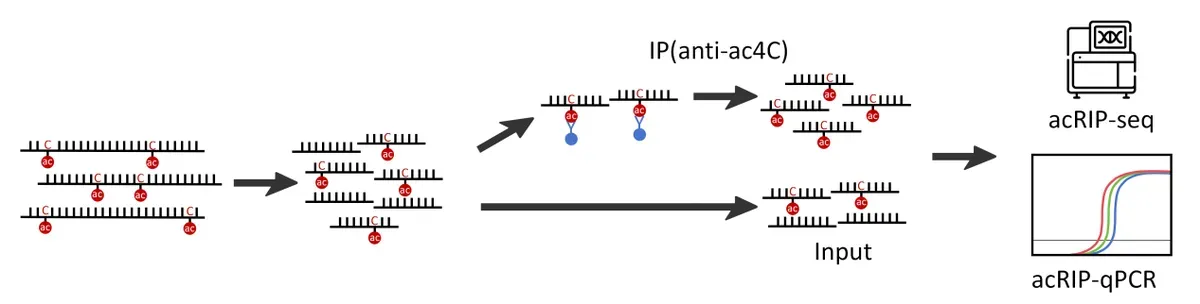
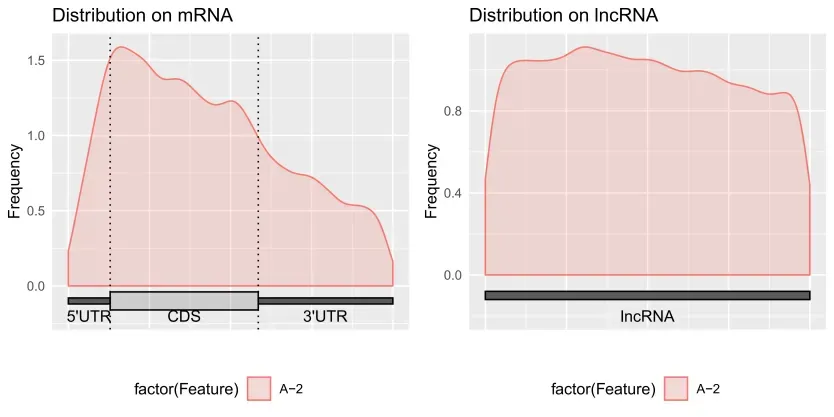 Figure 1-19. Metagene plot of ac4C distribution.
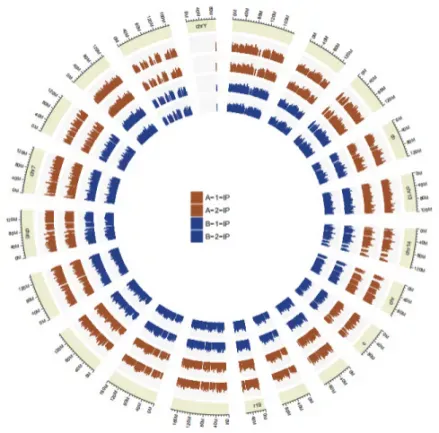 Figure 1-20. Circos plot of Peak distribution across chromosomes.
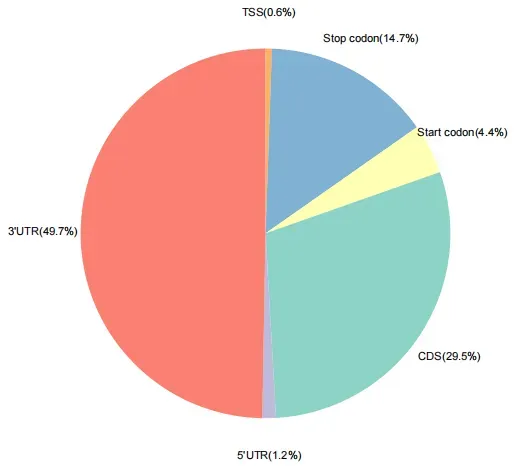 Figure 1-21. Pie chart of Peak distribution on RNA structural regions.
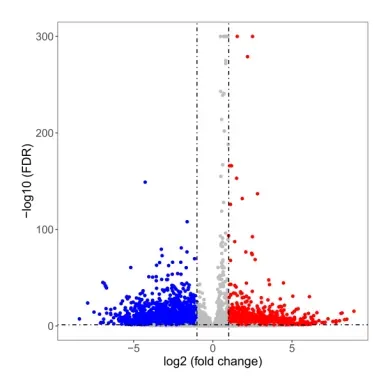 Figure 1-22. Volcano plot.
1.Eur Heart J. NAT10-dependent mRNA ac4C modification controls vascular remodeling (DOI:10.1093/eurheartj/ehae707). acRIP-seq and acRIP-qPCR identified ITGB1 and Col1a1 as NAT10-regulated ac4C targets.
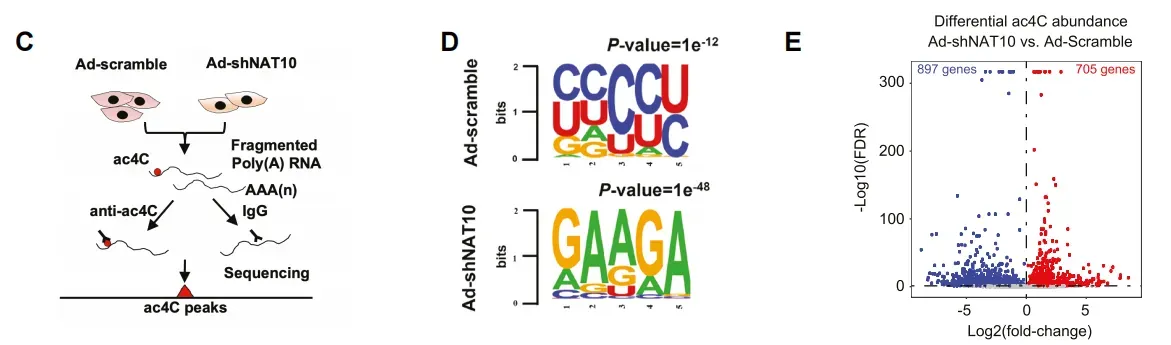 Figure 1-23. In this study, ac4C-modified RNA fragments were enriched using Epimark acRIP Kit. acRIP-seq was then performed to identify ac4C target genes regulated by NAT10. acRIP-qPCR analysis confirmed that NAT10 knockdown markedly reduced the ac4C modification levels of ITGB1 and Col1a2 mRNA.
2.Cell Res. NAT10-mediated lysine 2-hydroxyisobutyrylation promotes cancer metastasis through ac4C mRNA modification (DOI:10.1038/s41422-023-00793-4). acRIP-seq compared ac4C profiles between NAT10-overexpressing and control cells; acRIP-qPCR validated NOTCH3-mRNA ac4C changes.
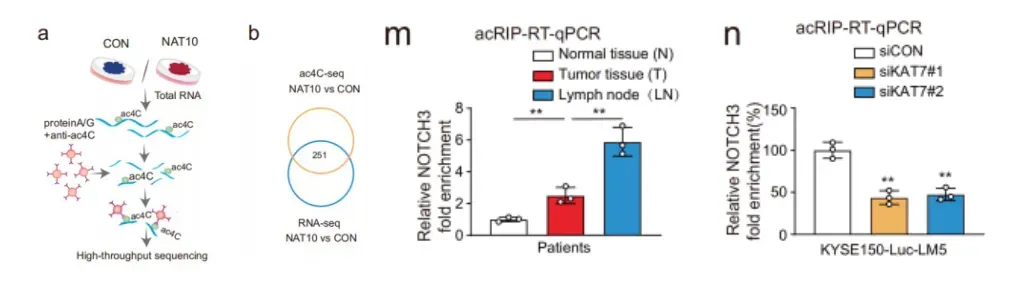 Figure 1-24. In this study, Epimark acRIP Kit was used for immunoprecipitation of ac4C-containing fragments. ac4C modification profiles between NAT10-overexpressing cells and control cells were compared by acRIP-seq to identify ac4C target sites regulated by NAT10. acRIP-qPCR was applied to verify changes in ac4C modification levels on NOTCH3 mRNA under different experimental conditions.
3.Nat Commun. NAT10-dependent N4-acetylcytidine modification governs PAN-RNA stability, KSHV reactivation and IFI16-mediated inflammatory-signal activation (DOI:10.1038/s41467-023-42135-3).
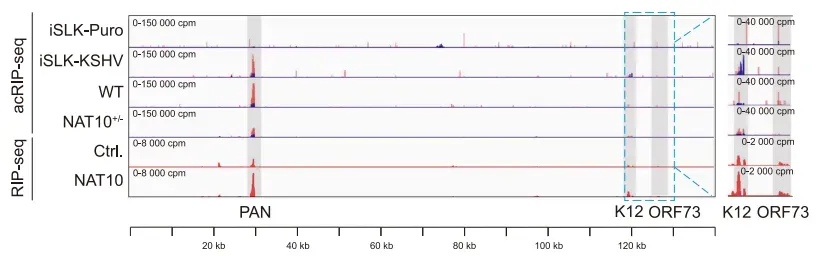 Figure 1-25. In this study, after immunoprecipitation of ac4C fragments with mark acRIP Kit, acRIP-seq was carried out.
ucallm
Datasheet, COA, SDS, and protocol files can be requested from technical support.
Emailinfo@mail.ucallm.com
Phone+(1)-866-986-9598
WeChat / IMUcallm-Tech
HoursMonday-Friday 09:00-18:00 CST
Sku: E1013-12
Sku: E1015-12
Sku: E1016-12
Sku: E1017-12