
Sku: E1013-12

Specification: 12T
Stock: In stock
Product details, specifications, documents, and related products are available from the catalog record. Learn more
N6-methyladenosine (N6-methyladenosine, m⁶A) is the most abundant RNA modification in eukaryotic mRNA, regulating more than 80% of RNA metabolism processes. It functions as a molecular switch in key biological events such as stem cell differentiation, tumorigenesis and neurodegenerative diseases. The UcallM® m⁶A Immunoprecipitation Library Kit adopts optimized antibody-magnetic bead directional coupling strategy to realize high-density immobilization of m⁶A antibody. Combined with gradient elution system and double-strand specific purification technology, it can effectively reduce non-specific adsorption and ensure efficient capture of m⁶A modified fragments. After enriching m⁶A modified RNA fragments via meRIP, RT-qPCR can be applied for quantitative analysis of m⁶A modification levels. Libraries can also be built for sequencing to generate m⁶A modification profiles.
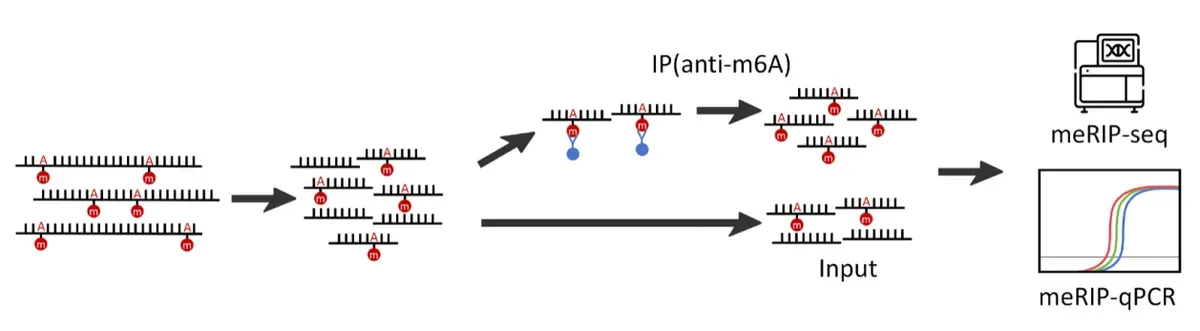
1.Ultra-low starting input, compatible with trace samples 2.High-specificity m⁶A antibody to effectively improve capture efficiency 3.Optimized system, conditions and workflow for simple operation 4.Applicable to multiple cell and tissue types, multiple customer publications released
1.Acquire information of m⁶A modification levels
2.Combine with library sequencing to draw transcriptome-wide m⁶A modification landscape
3.Study abnormal m⁶A modification in tumors, immune disorders and other diseases
4.m⁶A modification modulates physiological/pathological processes including stem cell differentiation and cellular stress response by regulating RNA stability, splicing and translation efficiency
NGS Empirical Data
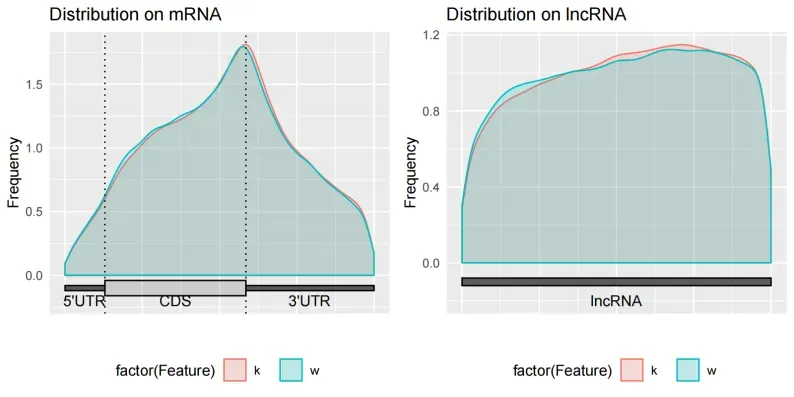 Figure 1-28. Metagene plot of Peak distribution on RNA structures
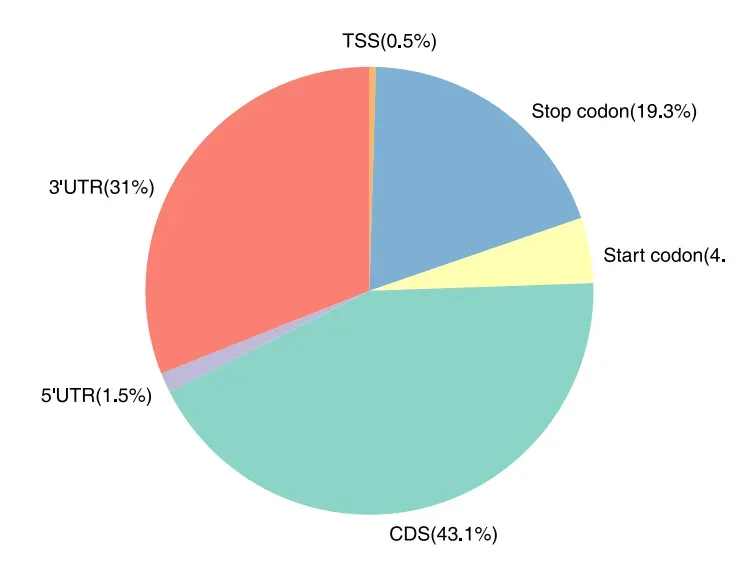 Figure 1-29. Pie chart of Peak distribution on RNA structures
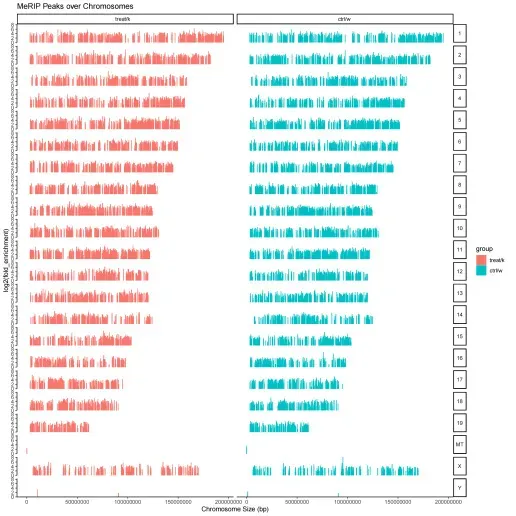 Figure 1-30. Chromosome coverage map of Peaks from two groups
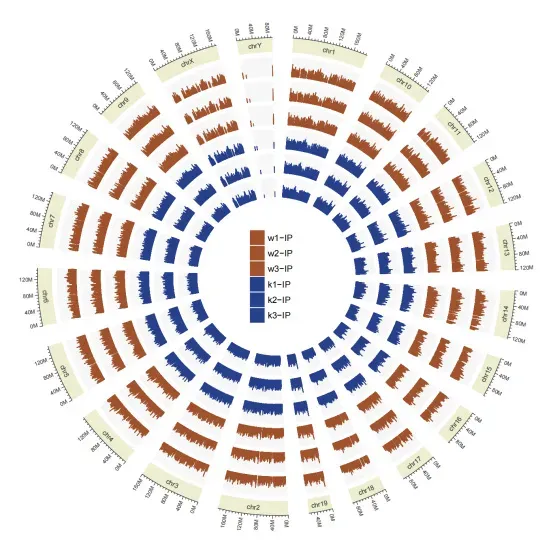 Figure 1-31. Circos plot of Peak distribution across chromosomes
1.Circulation: Mechanism study of AVCAPIR promoting aortic valve calcification via regulating m⁶A modification (DOI:10.1161/CIRCULATIONAHA.123.065213)
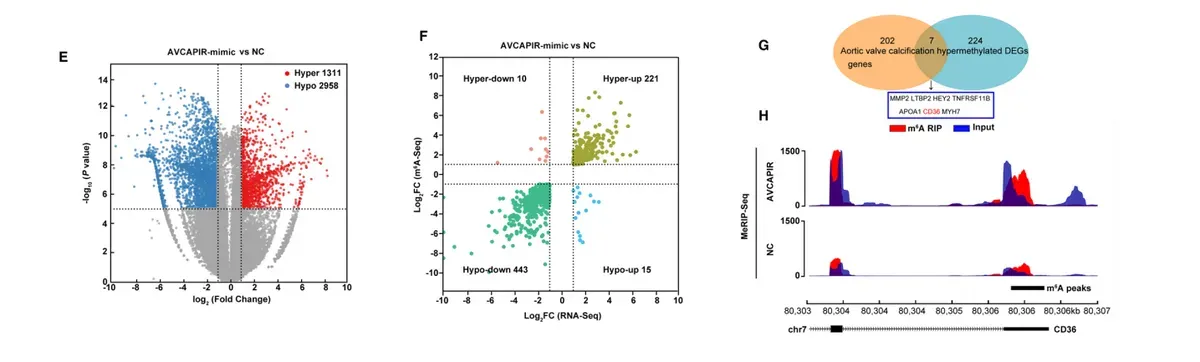 Figure 1-32. The authors performed meRIP-seq analysis and found that AVCAPIR inhibits FTO-mediated demethylation of CD36 mRNA, enhances its m⁶A level and RNA stability, and activates the CD36/PCSK9 pathway to drive aortic valve calcification. Multiple validations were performed via meRIP-qPCR.
2.Nat Commun: YTHDF2 promotes anti-tumor immunity by regulating CD8 T cell polyfunctionality through m⁶A modification (DOI:10.1038/s41467-024-53997-6)
This study used multi-omics methods including meRIP-seq, ATAC-seq and Ribo-seq to reveal that YTHDF2 (m⁶A reader protein) drives CD8 T cell polyfunctionality (such as cytokine secretion and metabolic adaptability) by regulating target RNA stability, mitochondrial metabolism and chromatin accessibility via m⁶A modification, thereby enhancing anti-tumor immunity.
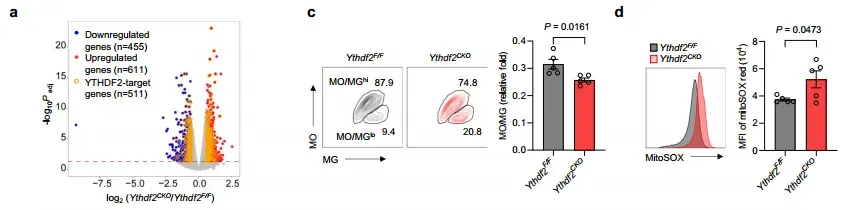 Figure 1-33. meRIP-seq analysis revealed that YTHDF2 directly binds and regulates m⁶A modification of key effector genes (e.g. Stat5a, Rasgrp1), promoting their translation efficiency and T cell persistence.
ucallm
Datasheet, COA, SDS, and protocol files can be requested from technical support.
Emailinfo@mail.ucallm.com
Phone+(1)-866-986-9598
WeChat / IMUcallm-Tech
HoursMonday-Friday 09:00-18:00 CST
Sku: E1013-12

Sku: E1014-12
Sku: E1015-12
Sku: E1016-12