info@ucallmlabs.com
HEK293 cells and their derivatives have been widely used for the production of recombinant therapeutic proteins, vaccines, anticancer agents, and other clinically relevant drugs.
1. Overview
HEK293 (human embryonic kidney 293) cells are a human cell line established in the 1970s by transforming primary human embryonic kidney cells with sheared adenovirus type 5 DNA. Unlike CHO cells, which are of rodent origin, HEK293 cells are of human origin and thus possess fully human-like post-translational modification (PTM) machinery. HEK293 cells and their derivatives have been widely used for the production of recombinant therapeutic proteins, vaccines, anticancer agents, and other clinically relevant drugs. Recent work has generated molecular (systems-level) characterization of HEK293 variants, enabling re-engineering of the cells toward enhanced use for manufacture-scale production of recombinant biopharmaceuticals.
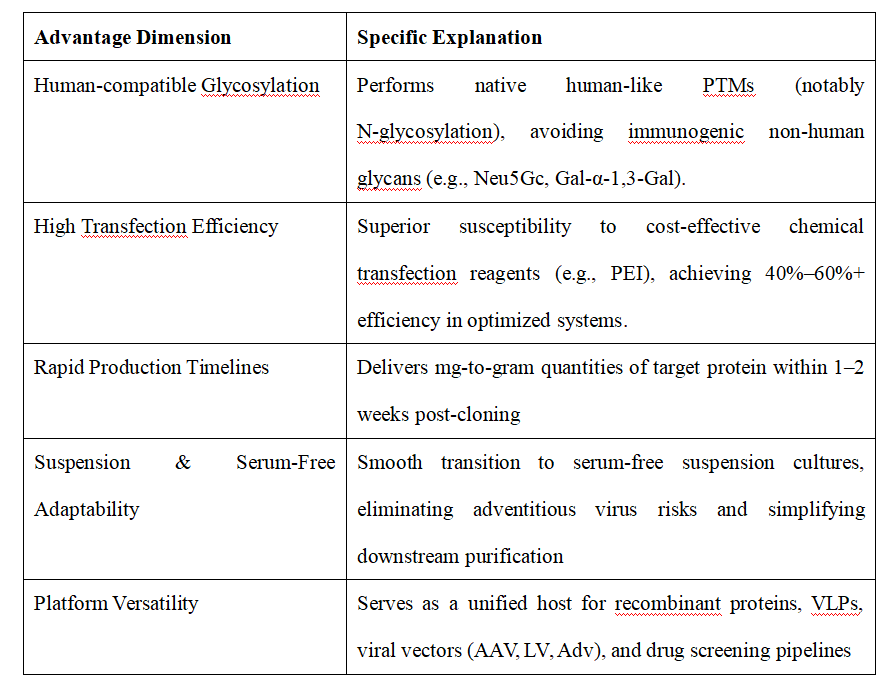
2. Reasons why HEK293 dominates biopharmaceutical production
3. HEK293 Expression workflow
The industrial expression workflow branches into two primary operational modes: Transient Gene Expression and Stable Cell Line Development. 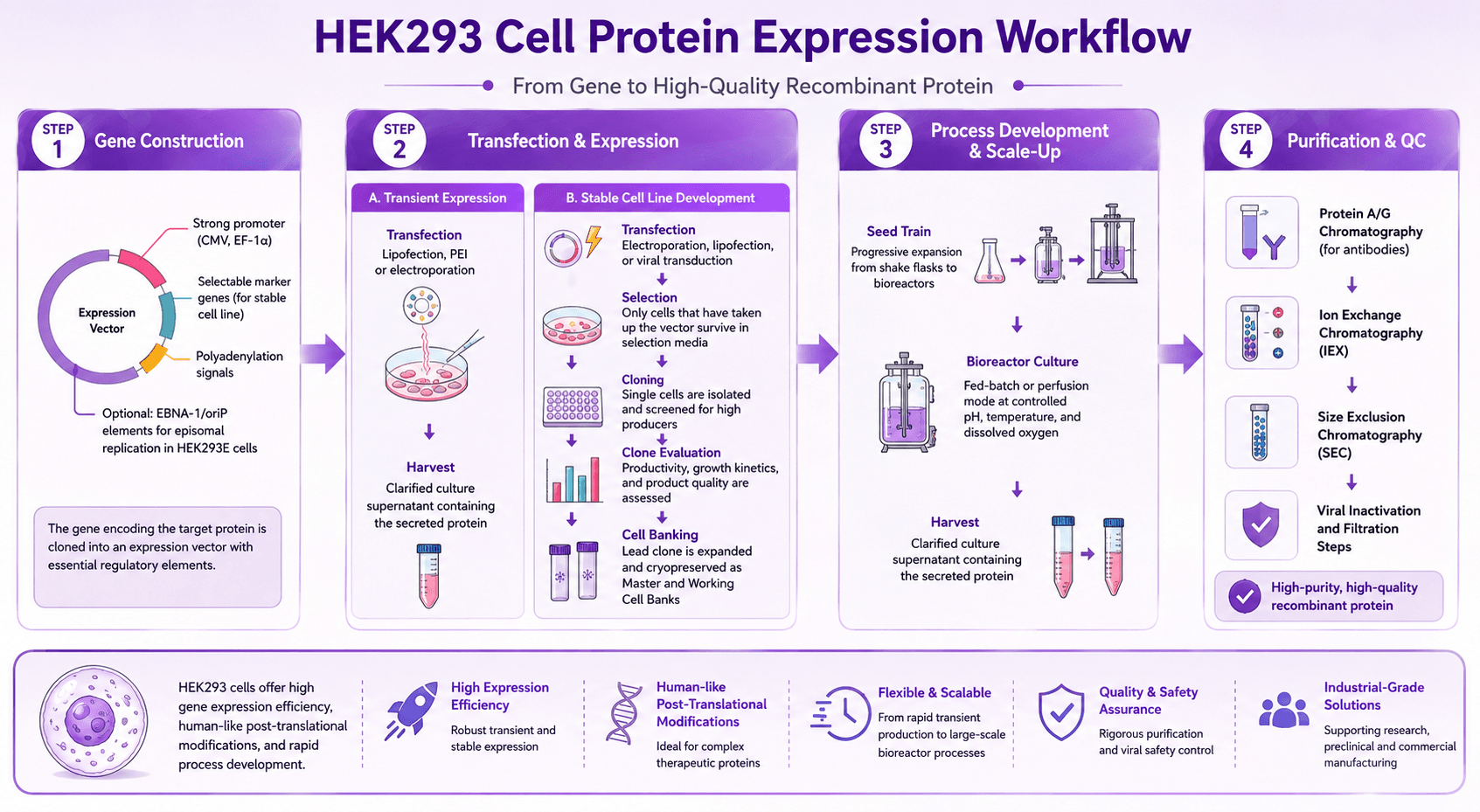 ##4. Industrial Applications of HEK293 Cell Lines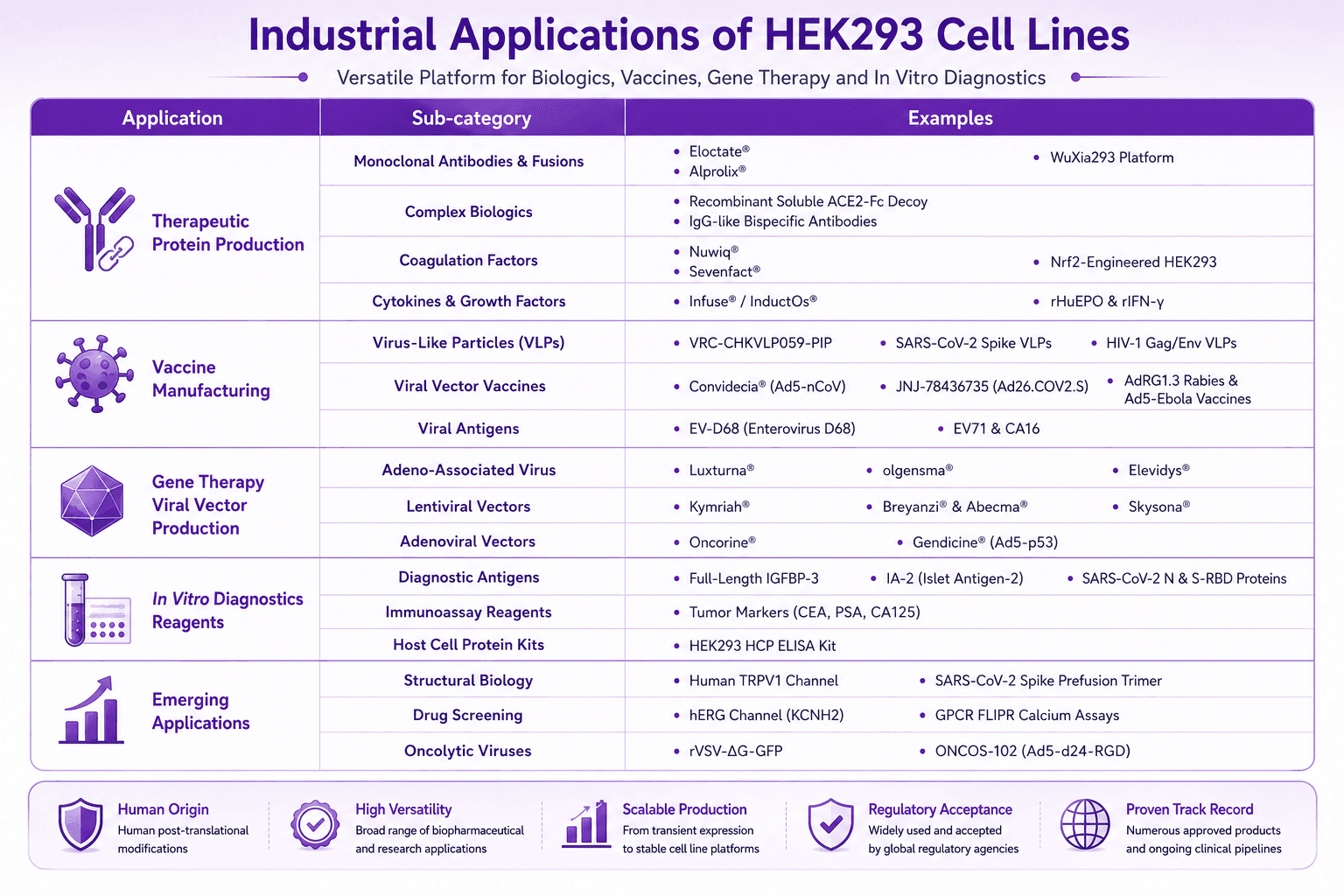
5.Commonly Used CHO Expression Platforms
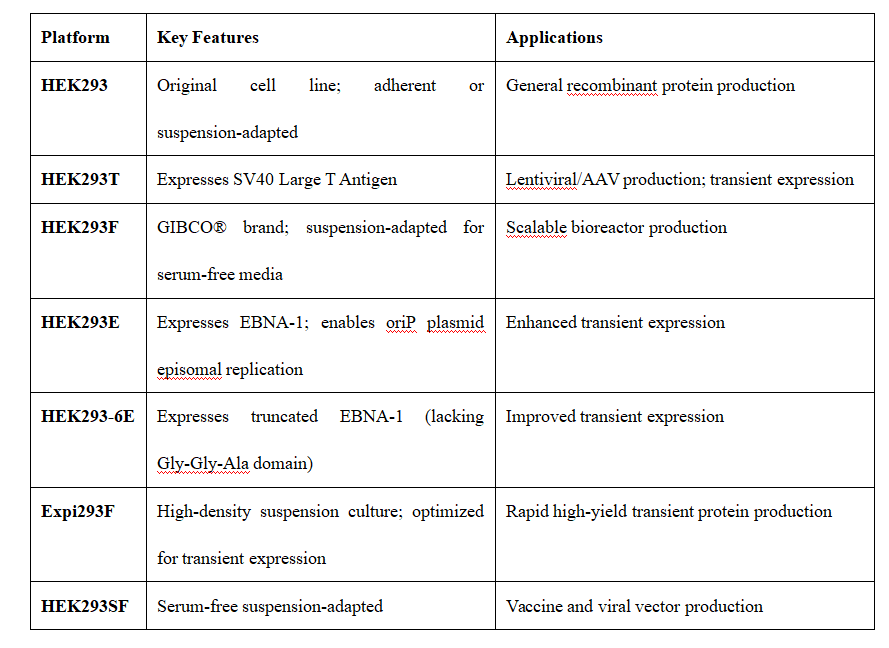
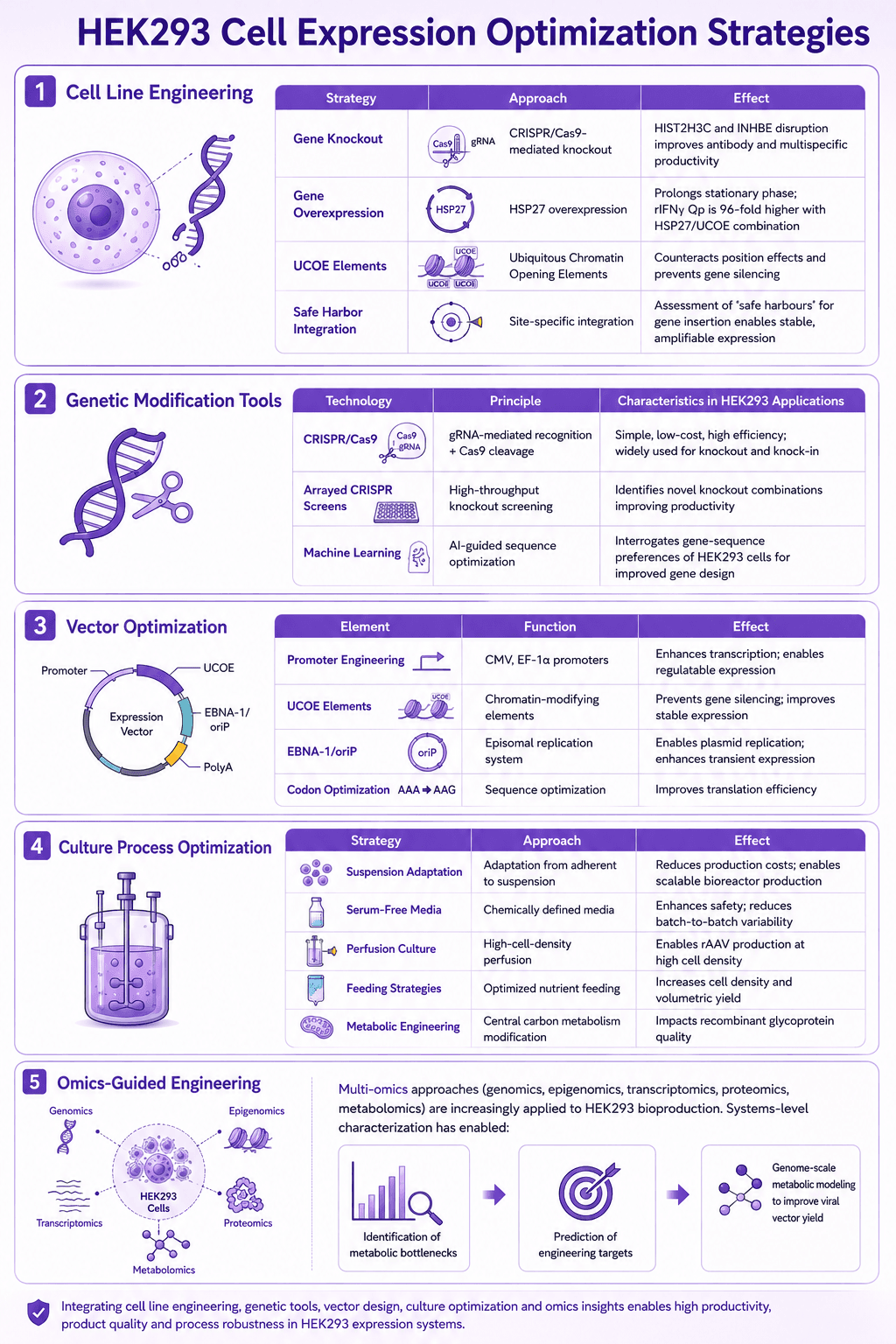
6. HEK293 Cell Expression Optimization Strategies
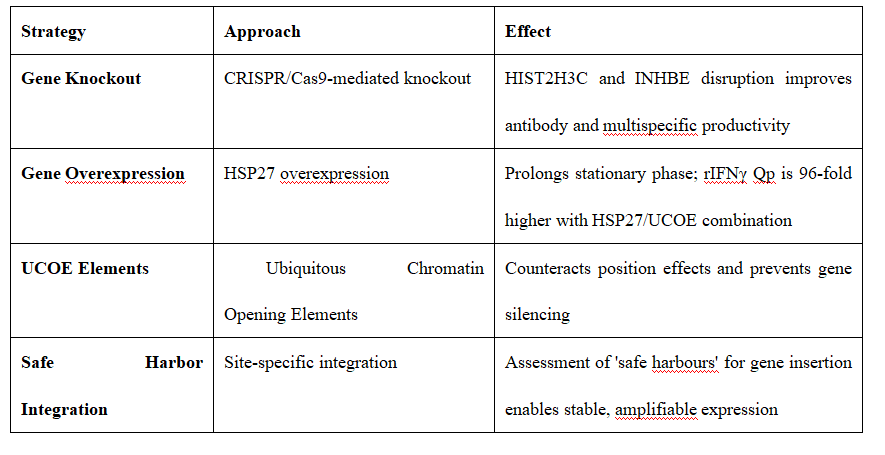
6.1 Cell Line Engineering
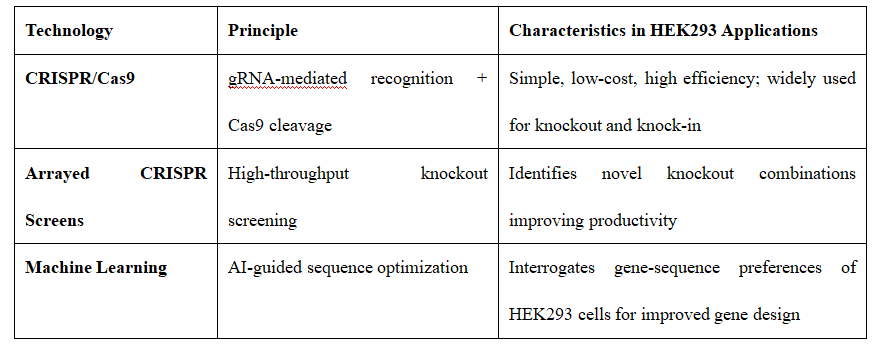
6.2 Genetic Modification Tools
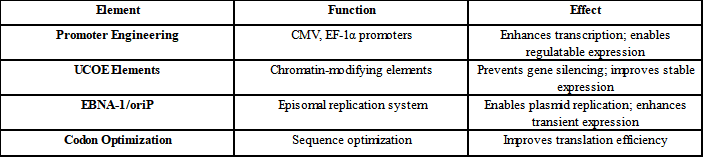
6.3 Vector Optimization
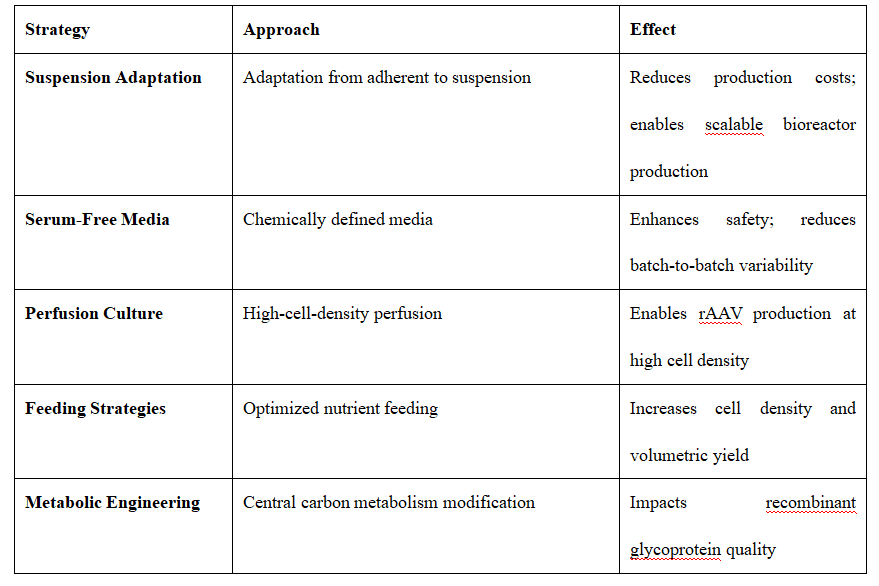
6.4 Culture Process Optimization
6.5 Omics-Guided Engineering
Multi-omics approaches (genomics, epigenomics, transcriptomics, proteomics, metabolomics) are increasingly applied to HEK293 bioproduction. Systems-level characterization has enabled:
- Identification of metabolic bottlenecks
- Prediction of engineering targets
- Genome-scale metabolic modeling to improve viral vector yield
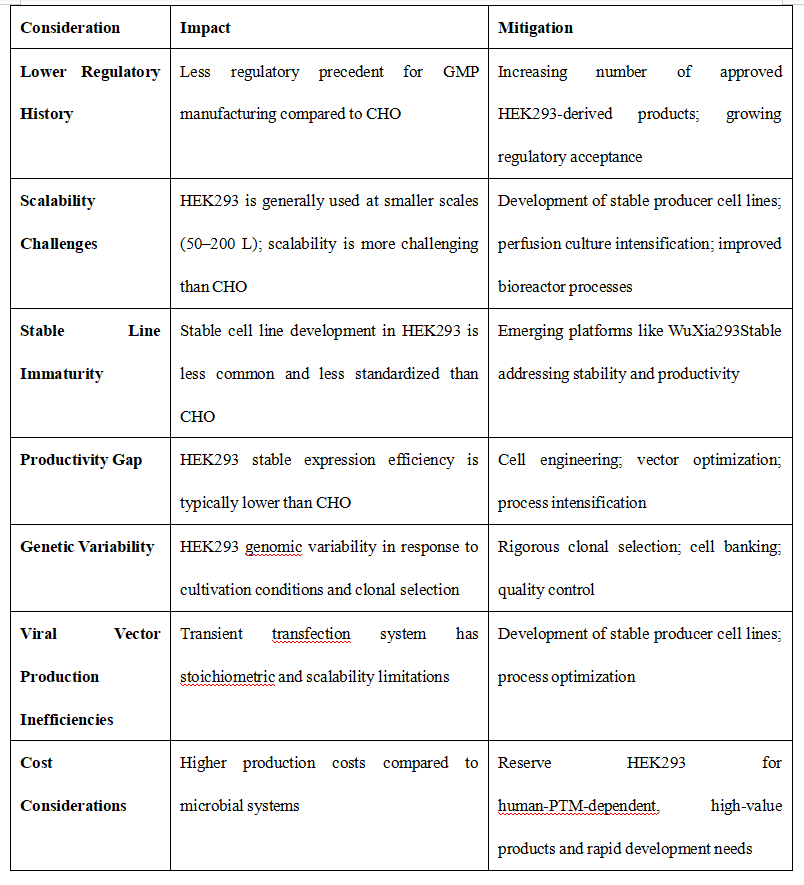
7. Limitations and Considerations