
Catalog Products > Cell Therapy
Cell Therapy
Use this topic to group assay reagents, QC materials, and documentation for cell therapy workflows.
Workflow
Explore curated reagents and tools organized by each stage of your cell therapy development workflow.
Early DiscoveryPreclinical DevelopmentCMC and Clinical
CAR/TCR Construct Generation

Reagents
Cloning Kits
Plasmid Purification Systems
CAR/TCR Purification

Automated Protein/Antibody Purification
Purification Beads and Resins
Western Blot Systems
CAR/TCR Validation

Binding Assays
CAR Detection
Cell Processing

Sample Preparation/Thawing
Cell Isolation and Activation
Cell Expansion
Resources
Download application notes, guides, and datasheets to support your workflow planning.


Application Solutions
 Application Solutions
How Protein Post-Translational Modifications (PTM) Participate in the Progression of Colorectal Cancer
Colorectal cancer (CRC) represents a major global health burden and remains one of the leading causes of cancer-related mortality in developed countries.
 Application Solutions
PTMs: New Insights into Pathogenesis and Biomarker Discovery of Alzheimer’s Disease
Alzheimer’s disease (AD) is the most common neurodegenerative disorder and the leading cause of dementia, predominantly affecting older adults.
 Application Solutions
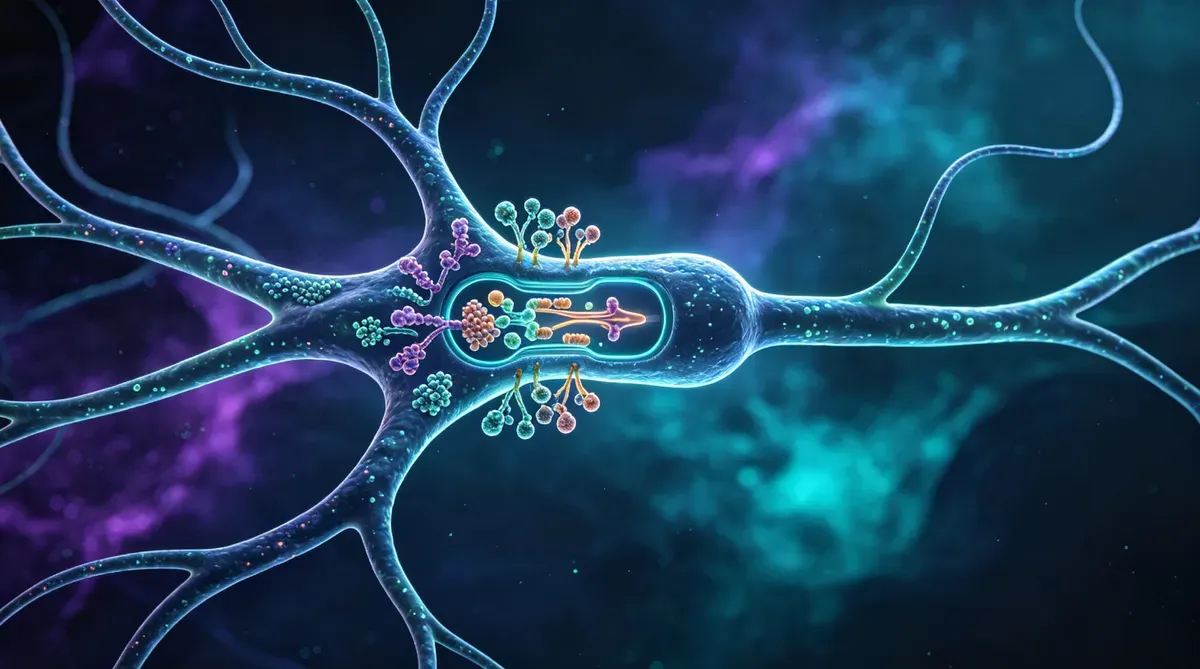
Solutions for Neural Lineage Development Marker Research
Neural lineage development is a highly orchestrated biological process involving the progressive transition of neural stem cells (NSCs) into specialized neuronal and glial populations, including neurons, astrocytes, and oligodendrocytes.
 Application Solutions
Solutions for Neuroendocrine Neoplasm Biomarker Research
Neuroendocrine neoplasms (NENs) represent a highly heterogeneous group of tumors originating from neuroendocrine cells and occurring throughout the gastrointestinal tract, pancreas, lung, adrenal gland, and other organs.
 Application Solutions
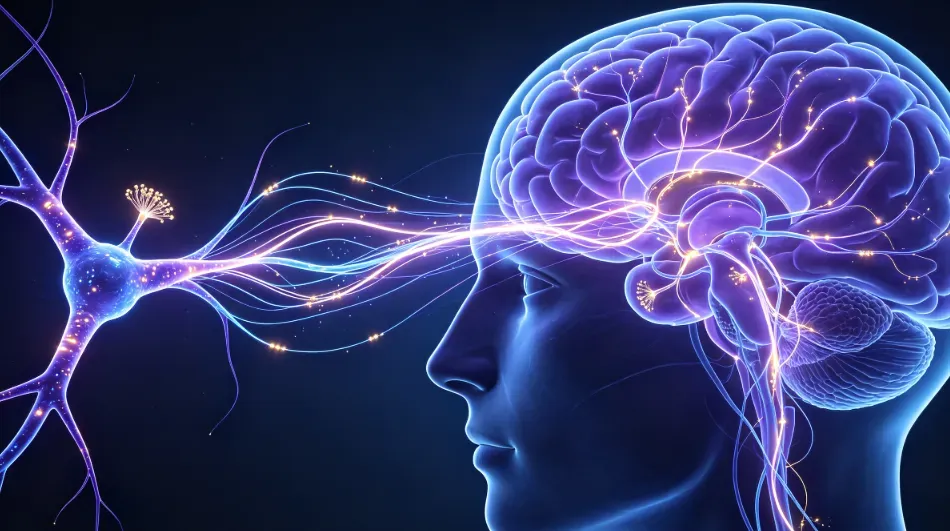
Solutions for Multiple Sclerosis Research
Multiple sclerosis (MS) is a chronic immune-mediated disorder of the central nervous system (CNS) characterized by inflammatory infiltration, autoimmune-mediated myelin destruction, oligodendrocyte dysfunction, and progressive neurodegeneration.
 Application Solutions
Solutions for Glioma Molecular Subtyping Research
Gliomas represent the most common primary malignant tumors of the central nervous system and exhibit remarkable molecular heterogeneity, diverse biological behaviors, and variable clinical outcomes.
REQUEST A QUOTE
info@ucallmlabs.com
PHONE
+(1)-866-986-9598
ONLINE FORM
Online Quote Submission
FAX
+(1)-866-986-9598